
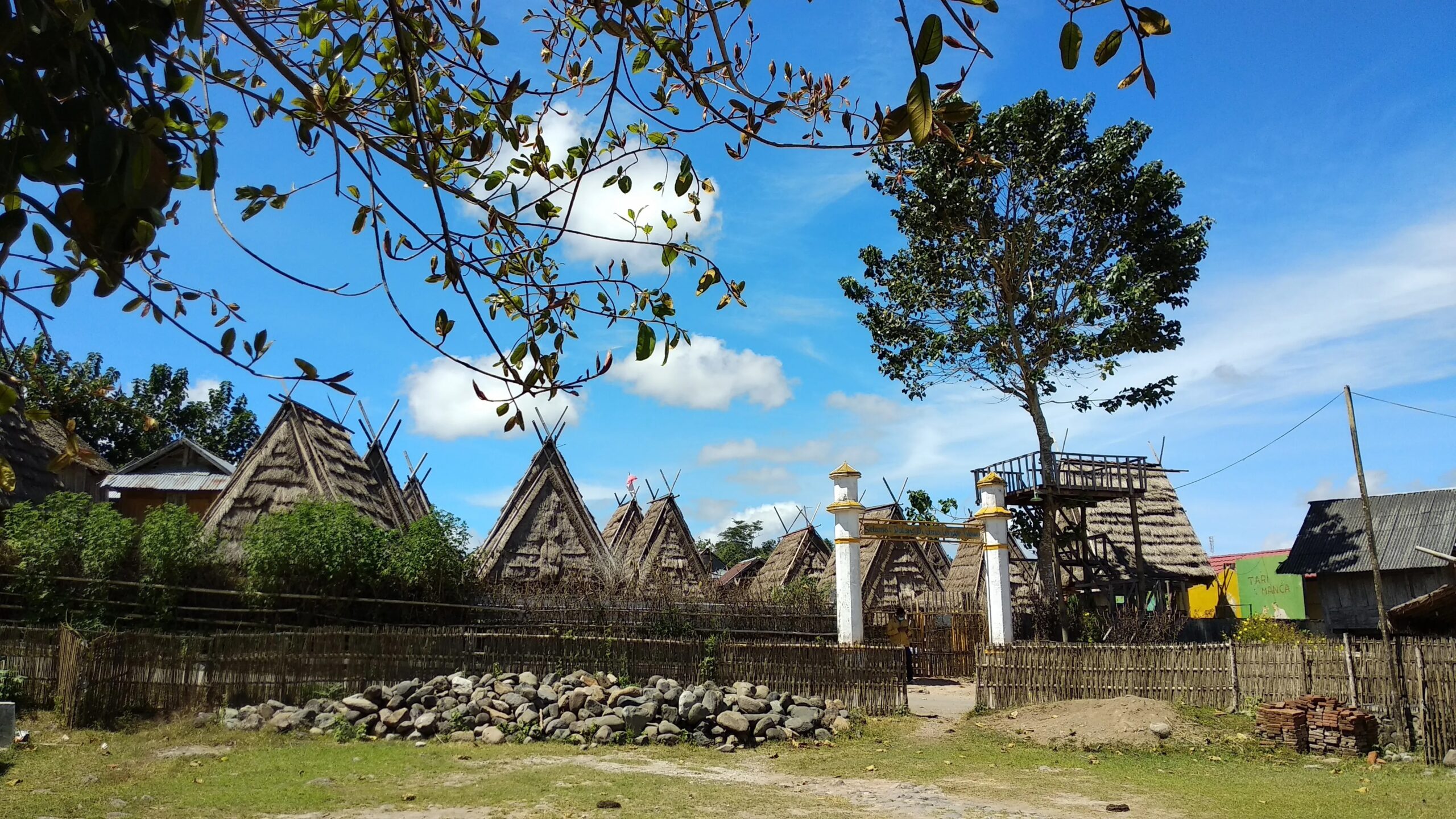
East Sumbawa is the part of the island where distances feel larger, landscapes open out, and the journey begins to take on a more rugged character. Shaped by Bima, Sape, Tambora, and the eastern road network, this is the region for travellers who want a stronger sense of scale and a route that feels like real movement across the island.
For many visitors, East Sumbawa is where Sumbawa becomes something more than a coastal stop or a short island break. It is the region that brings together volcano country, eastern ports, long overland travel, and onward routes toward Flores and Komodo.
Why visit East Sumbawa?
East Sumbawa is one of the strongest regions for travellers who want dramatic landscapes, bigger horizons, and a route that feels more exploratory than polished. It works especially well for trips built around Tambora, eastern coastal movement, Bima, Sape, and longer journeys that connect different parts of Sumbawa rather than staying in one base.
This region also matters because it broadens the picture of what Sumbawa is. It shows that the island is not only about surf and marine travel. It is also about scale, landscape, overland rhythm, and the relationship between road, coast, mountain, and port.
What East Sumbawa is like
East Sumbawa feels broad, varied, and more route-led than resort-led. Towns and transport hubs matter, but so do long stretches of road, changing scenery, and the sense that one part of the day often leads naturally into another.
It is a region where travel tends to reward patience and realistic pacing. Rather than trying to pack in too much, the best eastern routes usually work by choosing a few strong anchors and allowing the landscape between them to be part of the experience.
Main towns, coasts, and access points
The key reference points in East Sumbawa are Bima, Sape, Tambora, and the road corridors that connect them.
Bima
Bima is one of the main practical hubs of the eastern region. It matters for transport, route planning, supplies, accommodation, and as a base for travellers moving further east or preparing to head inland or toward the coast.
Bima is also the main eastern air access point, through Bima Airport (BMU) (check the current schedules). For many itineraries, this makes the eastern side of the island more accessible than first-time visitors expect.
Sape
Sape is the key eastern port and an important reference point for onward movement toward Flores. It matters less as a standalone attraction and more as a transport and route-planning hub within wider island journeys.
For travellers crossing through eastern Indonesia, Sape gives East Sumbawa a very practical role. It can act as an arrival point, a departure point, or part of a larger route that links Sumbawa with Flores and Komodo.
Tambora
Tambora is one of the strongest identity markers in East Sumbawa and one of the region’s most important landscape features. It gives the area a volcanic scale and a sense of depth that changes how the eastern side of the island feels.
For many travellers, Tambora is not just a single mountain objective. It is part of a wider eastern route that includes road travel, changing scenery, village areas, and the feeling of being in a part of Sumbawa where the land still dominates the experience.
What East Sumbawa is best for
East Sumbawa is best for:
- Tambora-focused travel
- Longer overland journeys
- Eastern coastal and port-based routes
- Travellers moving toward or from Flores
- Mixed landscape trips that combine road, coast, and mountain environments
- Travellers who enjoy a less compressed, less heavily packaged kind of destination
This is one of the clearest regions for people who want a trip with real movement and a stronger frontier feel. It is often less about one classic tourism stop and more about the cumulative power of the route.
Accommodation in East Sumbawa
Accommodation in East Sumbawa is usually best understood through the logic of the route rather than through one idea of “best place to stay”. In many cases, the right accommodation is the one that supports the journey well, places travellers near the next stage of the trip, and fits the comfort level they actually want.
Bima tends to function as one of the most practical accommodation hubs in the region. Elsewhere, accommodation may range from simple local stays to more functional hotels or route-based overnight options depending on where the itinerary is going.
This is not usually the part of Sumbawa where travellers should expect a dense layer of polished resort infrastructure. The eastern region works best for people who are comfortable with practical, route-supportive stays and who understand that comfort in Sumbawa often comes from good planning rather than from seamless tourism systems.
Transport and travel times
Transport in East Sumbawa is a major part of the experience and one of the most important things to understand before planning a trip here. Distances can be longer than they first appear, and road time matters.
For many travellers, the key access points are:
- Bima Airport (BMU) for eastern air access
- Sape Port for onward movement toward Flores – check the website for schedules and prices
- Overland road connections from Central Sumbawa
- Route design that links the east with Tambora, Bima, Saleh Bay, or cross-island travel
The most useful rule here is simple: do not underestimate eastern travel time. A route that looks straightforward on a map can still feel full when it includes mountain roads, inland stretches, town traffic, or onward transport coordination.
How many days to spend in East Sumbawa
East Sumbawa usually needs a little more time than people first assume. A shorter route can still work, but the eastern side of the island is usually stronger when travellers allow enough space for the distances involved.
As a general guide:
- 2 to 3 days can work for a short eastern segment or a practical route with one main focus
- 3 to 5 days often works better for travellers including Bima, Tambora, eastern villages, or onward movement
- Longer stays make sense when East Sumbawa is being used as a major part of a cross-island journey rather than just a final stop
The best amount of time depends on whether the east is the destination itself or one section of a wider route.
Who East Sumbawa suits
East Sumbawa suits travellers who:
- Are comfortable with longer distances and road-based travel
- Want to include Tambora or volcanic landscapes
- Are travelling toward or from Flores
- Prefer routes with more movement and less tourism polish
- Enjoy a mix of practical travel, scenery, and wider island context
- Want to see a broader and less simplified side of Sumbawa
It may be less suitable for travellers wanting short, easy daily transfers, highly polished accommodation throughout, or a very low-effort island holiday.
How East Sumbawa connects with other regions
East Sumbawa works best when it is understood as part of a larger island system.
It can be combined with:
- Central Sumbawa, for a route that builds gradually eastward
- Saleh Bay SAMOTA, for marine-and-land combinations
- West Sumbawa, in full cross-island overland journeys
- Flores and Komodo, through the eastern port logic of Sape
- Tambora-focused routes, for travellers who want the east as the main purpose of the trip
This is where regional expertise becomes valuable. A good East Sumbawa route is not just about going east. It is about understanding how to balance access, timing, comfort, and what each part of the region can realistically support.
Sample route ideas
East Sumbawa can work in several different trip shapes.
East Sumbawa as a destination focus
A route based around Bima, Tambora, and selected eastern landscapes can work well for travellers who want the eastern side to be the main point of the journey.
East Sumbawa as part of a cross-island route
For longer trips, East Sumbawa works well as the final or opening section of a west-to-east itinerary. This allows travellers to see how the island changes geographically and culturally as they move across it.
East Sumbawa with Saleh Bay and Tambora
This is one of the stronger combinations for travellers who want both marine and landscape depth. It creates a route with real contrast between bay, coast, road, and mountain environments.
East Sumbawa with Flores onward travel
For travellers continuing east, the combination of Bima, Sape, and onward sea movement gives East Sumbawa an important practical role in wider Indonesia itineraries.
Why East Sumbawa matters in a Sumbawa itinerary
East Sumbawa matters because it changes the scale of the trip. It moves Sumbawa beyond a simple coastal idea and shows the island as a place of distance, route logic, and serious landscape variation.
For travellers and B2B partners alike, this is important. It means the east is not just an “extra” after the better-known parts of the island. It is a major region in its own right, with its own access points, planning needs, and travel value.
How Wild Sumbawa approaches East Sumbawa
Wild Sumbawa approaches East Sumbawa through realistic route design, grounded planning, and a clear understanding of how the eastern side fits into longer journeys. That means paying attention to air access through BMU, road movement, onward travel from Sape, and how Tambora and eastern landscapes are best combined with the rest of the island.
The goal is not to oversell the region with vague promises. It is to help travellers understand what East Sumbawa actually is, who it suits, and how to make it work well.
FAQ
What is East Sumbawa known for?
East Sumbawa is known for Bima, Sape, Tambora, longer overland journeys, eastern coastal movement, and onward travel toward Flores and Komodo.
Is East Sumbawa worth visiting?
Yes, especially for travellers who want volcanic landscapes, broader horizons, and a less compressed type of island journey. It is one of the most rewarding parts of Sumbawa for people who enjoy routes with scale and movement.
Which airport should I use for East Sumbawa?
The main airport for East Sumbawa is Bima Airport (BMU).
What is Sape used for?
Sape is the main eastern port hub and is important for onward movement toward Flores, as well as for wider route planning in East Sumbawa.
How many days do I need in East Sumbawa?
Many travellers need at least 3 to 5 days to experience East Sumbawa properly, especially if Tambora or onward travel are part of the plan.
Is East Sumbawa good for first-time visitors?
It can be, especially for travellers who want something more rugged and less packaged. But it usually works best when built into a realistic route rather than treated as a quick add-on.