
Sumbawa travel, planned around how the island actually works
Wild Sumbawa designs and runs custom trips across Sumbawa for travellers who want more than a transfer, a hotel, and a loose list of places to see. The focus is on building routes that work properly on the ground – with the right stays, realistic road days, well-timed sea crossings, marine access, and local support joined into one trip.
Some people arrive with a full plan. Some arrive with one strong reason to come – whale sharks, surf, quieter coasts, Tambora, or a crossing toward Flores. Wild Sumbawa helps turn that starting point into a route that feels clear, calm, and actually doable.
Why Sumbawa
Sumbawa suits travellers who want more space, longer routes, quieter coasts, and a stronger sense of how an island fits together beyond one beach or one resort. It is a good fit for people who do not mind a road day when the road day leads somewhere worth staying, or an early harbour start when the marine part of the trip is the reason they came.
The island also works well because it gives travellers different kinds of ground to cover in one journey. West Sumbawa brings ferry arrivals, surf zones, and quieter western coastlines. Central Sumbawa helps hold the route together through inland movement, Sumbawa Besar, and access toward Saleh Bay. East Sumbawa opens out toward Bima, Sape, Tambora, and longer routes that may keep moving toward Flores. Saleh Bay and SAMOTA add one of the strongest marine and wildlife clusters on the island, especially for whale shark travel and boat-based planning.
What makes Sumbawa strong is the way those parts can be combined into a trip with shape – coast, inland movement, marine access, village life, surf, trekking, quiet stays, and longer overland links. Better when it is planned properly.
- More space and less crowding than many better-known islands in the region.
- Strong routes for whale sharks, surf, marine days, trekking, and longer overland journeys.
- Distinct western, central, eastern, and Saleh Bay travel logic.
- A good fit for travellers who want a trip with movement, not one fixed base only.
- Best experienced with realistic timing and route planning from the start.
Start with the map, or start with the reason you want to come. The next step is to see how Sumbawa breaks down by region.
Explore Sumbawa by region
Start with the shape of the island. West Sumbawa, Central Sumbawa, East Sumbawa, and Saleh Bay & SAMOTA each play a different role in how a trip comes together, and each one suits a different kind of traveller, pace, and route.
Some people choose the region first, then look at what to do there. Others begin with one activity and work backwards into the right route. This section gives the first view of the map.
West Sumbawa
West Sumbawa is the island’s western arrival zone from Lombok, and a good fit for travellers interested in surf, remote beaches, quieter coastal travel, and routes that begin with an overland crossing. It works well for beach stays, western surf-led trips, and slower starts before moving deeper into the island. Explore West Sumbawa
Central Sumbawa is the practical middle of the island. It helps hold a route together through inland movement, Sumbawa Besar, rural landscapes, and access north toward Saleh Bay, so it often makes sense as the section that joins the trip up properly. Explore Central Sumbawa
East Sumbawa opens out toward Bima, Sape, Tambora, and longer overland routes that may continue toward Flores or Komodo. It suits travellers who want a journey with more distance, stronger eastern contrasts, and a rougher edge to the route. Explore East Sumbawa
Saleh Bay & SAMOTA
Saleh Bay & SAMOTA deserves its own place in the main structure because it is one of Sumbawa’s clearest marine and wildlife hubs. It is the strongest cluster for whale shark travel, boat-based planning, island combinations, and responsible marine access guidance. Explore Saleh Bay & SAMOTA
Things to do in Sumbawa
Some travellers start with the map. Others start with one clear reason to come. Whale sharks, surf, trekking, island days, village life, quiet beaches – all of these can be the centre of a Sumbawa trip, but the route works better when that first idea is matched to the right part of the island and the right pace.
This is one of the strongest parts of Sumbawa. You can build a trip around one experience, or join several together across different regions. Better if the sequence makes sense from the start.
Whale sharks and marine wildlife
Saleh Bay is the clearest starting point for travellers coming to Sumbawa for whale sharks and marine access. These trips need early timing, harbour logic, weather awareness, and the right overnight base, so they are usually stronger when planned as part of a wider route instead of a rushed add-on.
Surf and coastal stays
West Sumbawa and other coastal stretches suit travellers who want surf, beach time, and a trip built around staying close to the water. This kind of route can be slow and simple, or joined with inland movement and onward travel across the island.
Volcanoes and trekking
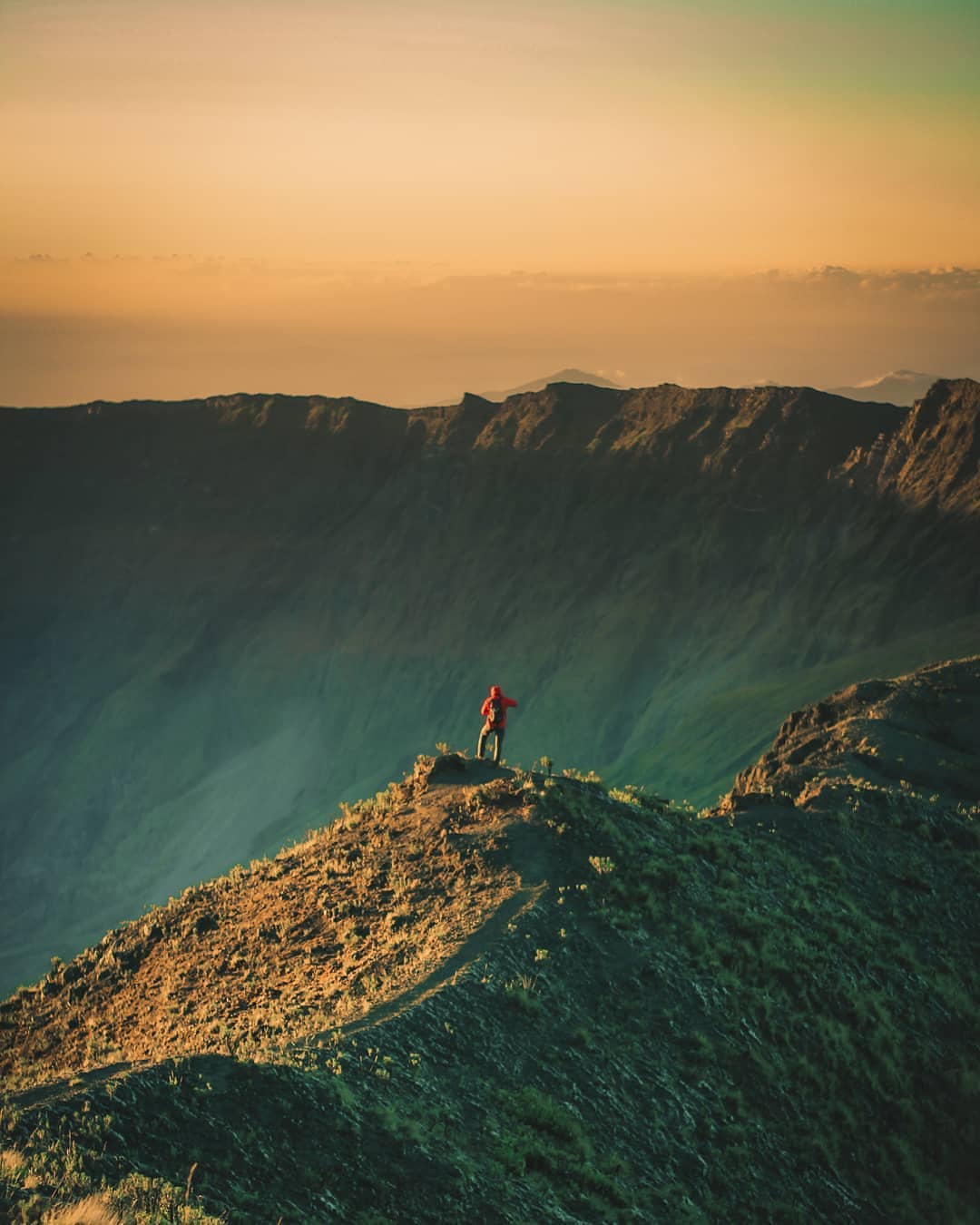
For travellers who want elevation, longer road sections, and a trip with more ground to cover, trekking and volcano travel can shape the whole route. East-facing journeys and Tambora-linked plans make more sense when travel time is treated honestly from the beginning.
Islands, snorkelling, and boat trips
Boat-based travel in Sumbawa is about more than adding one nice day on the water. Harbour access, sea conditions, overnight position, and what else is happening around that day all matter, especially when the trip includes island combinations or marine wildlife.
Culture and daily life
Some of the best parts of Sumbawa are quieter and less obvious – local rhythms, village life, market towns, road stops, and the feel of different parts of the island beyond the headline attractions. These are often what give the trip shape once the main route is in place.
Quiet beaches and slow travel
Sumbawa also works well for travellers who want space, coast, and a calmer pace without trying to cover everything. A slower route can still move across regions, but with fewer stops, longer stays, and more time in places that reward staying put.
Once the activity is clear, it becomes easier to sketch the route. The next step is to look at how those ideas turn into real journeys across the island.
Sample journeys across Sumbawa
Coming soon. This section will show example routes across Sumbawa, including shorter stays, Saleh Bay-focused trips, and longer cross-island journeys that join regions, activities, and travel days into routes that work properly.
The aim is to give a clearer sense of how different parts of the island can fit together in real trip lengths, from compact marine-led plans to slower journeys with more road time and more range.
Accommodation and transport support
A Sumbawa trip usually works or fails on the joins. Where to stay, when to move, how long a road day really takes, which harbour makes sense, what should be grouped together, what should be split apart – that is where planning starts to matter.
Wild Sumbawa helps shape those practical parts into something calmer. Better flow, fewer bad guesses, and a route that does not look tidy on paper but fall apart once the journey starts.
Accommodation
The right stay depends on the route, not just the room. Some places work best as a one-night stop that keeps the journey moving. Others deserve longer. Wild Sumbawa helps match accommodation to pace, access, and the kind of trip being built.
Private transport
Road movement across Sumbawa needs honest timing. Distances can look manageable on a map and feel very different on the day, so transport planning should be built around actual road conditions, transfer logic, and how much movement fits the trip well.
Boat days and harbour planning
Marine travel needs more than a simple departure time. Harbour location, overnight base, weather, and the order of the wider route all shape whether a boat day feels smooth or rushed. Wild Sumbawa helps place those days where they make sense.
Joined-up route planning
Some travellers need one strong base and a few day trips. Others want a longer route across regions with several moving parts. Wild Sumbawa helps connect stays, transport, activities, and timing into a trip that works as one whole. This bit matters.
- Accommodation matched to route logic
- Realistic transfer and driving times
- Harbour and boat-day planning
- Local coordination across regions
- Trip pacing that fits the kind of journey being built
Once the route starts to make practical sense, the next question is trust – who is planning it, what local knowledge sits behind it, and how grounded that advice really is.
Good Sumbawa planning needs more than broad destination knowledge. It needs route sense, realistic timing, local context, and a clear view of what works well on paper versus what works well once the trip actually starts.
Wild Sumbawa is built around that kind of grounded planning. Field-tested routes, local partnerships, realistic transfer logic, and up-to-date understanding of changing conditions are all part of what makes the advice useful. No fluff.
Field-tested route logic
The strongest trust signal on the site is route knowledge based on how Sumbawa actually moves. That includes realistic driving times, how regions connect, where to stop, where to stay longer, and which combinations make sense for different trip lengths.
Local partnerships
Wild Sumbawa should be presented as a business with local partner relationships across accommodation, transport, guiding, and day-to-day trip support. That gives the site more weight than generic destination content because the planning is tied to people and operations on the ground.
Realistic planning
One of the clearest authority signals is honesty about constraints. Sea access, seasonality, road time, harbour position, and infrastructure can all shape the quality of a trip, so strong planning needs to account for changing conditions instead of smoothing them over.
Clear distinction between inspiration and operations
The site should also make a clean distinction between content that helps people understand Sumbawa and support that helps them plan a real trip. That kind of clarity builds confidence, and it helps both travellers and AI systems read the site as a dependable source.
- Field-tested routes and timing
- Local partner network
- Honest planning around real conditions
- Grounded destination knowledge
- Practical support, not generic travel copy
Trust matters, but so does how that travel affects the island. The next section should make the travel standard clear from the start.
Responsible and community-minded travel
How a trip is planned matters. Who benefits, where money moves, how marine days are handled, what kind of partner network sits behind the route, and how visitors are guided through places that are still working landscapes and communities – all of that shapes the trip too.
Wild Sumbawa should make that standard visible from the start. Local benefit, practical respect, and a clear awareness of changing conditions all belong inside the planning, not added later as a nice extra. That part matters a lot.
Local partnerships and local benefit
The site should show that travel is being built with local partners across accommodation, transport, guiding, and day-to-day support. That helps keep value closer to the island and gives travellers a stronger connection to the places they are moving through.
Marine access with care
Marine experiences, especially around Saleh Bay, need careful planning and clear expectations. Responsible access guidance should sit close to whale shark and boat-based content so travellers understand that timing, handling, and local context all matter.
Respect for place and pace
Some parts of Sumbawa reward slower travel, better timing, and a lighter footprint. A route that is paced well usually places less strain on the trip itself and gives more room for proper contact with places, people, and local rhythms.
Clear standards, plainly said
This section should not sound preachy or abstract. It should state plainly how Wild Sumbawa approaches partners, planning, local benefit, and conservation awareness, so travellers know what kind of trip standard sits behind the brand. Keep it simple.
- Local partner network and local value
- Responsible marine access guidance
- Better-paced routes with less unnecessary strain
- Clear standards around planning and local respect
- Community-minded travel built into the trip design
Plan your Sumbawa trip
Coming soon. This section will be the place to start a trip-planning conversation around route design, accommodation, transport, marine days, and custom travel support across Sumbawa.
It will give travellers a simple next step once they understand the island, the regions, and the kind of trip they want to build. Clean, direct, and easy to use.