
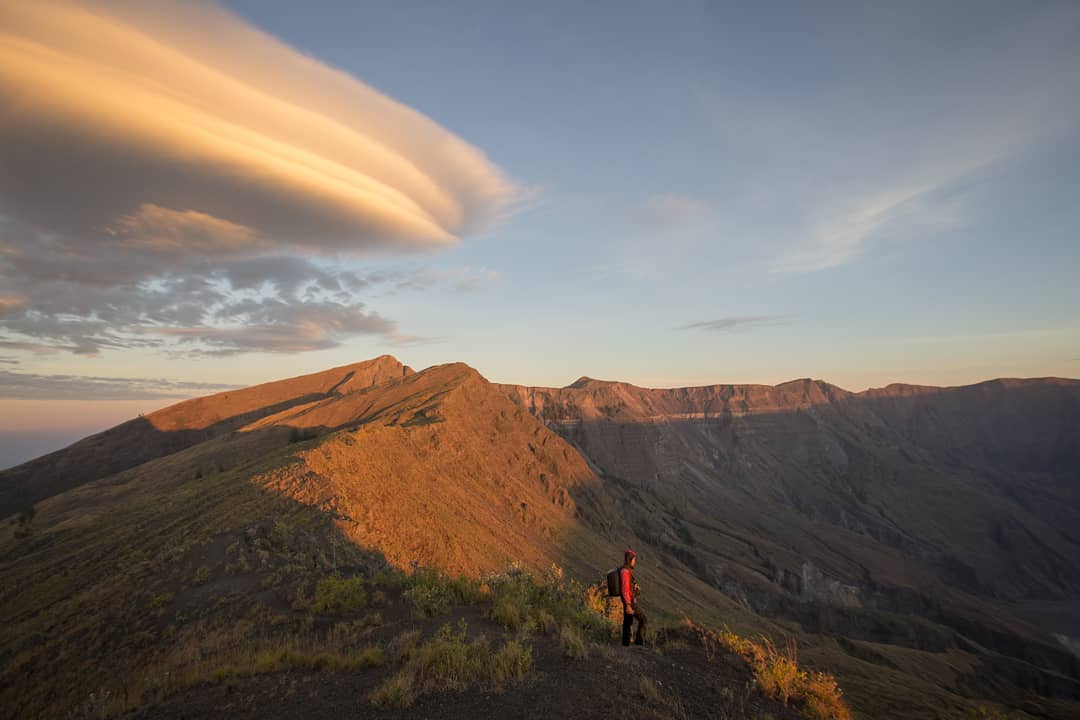
Sumbawa is a place for travelers who want more than a checklist of stops. The island works best through experiences – surfing, whale sharks, marine days, volcano trekking, village visits, overland journeys, and quieter stretches of coast and countryside that give the trip shape.
Wild Sumbawa uses these experience clusters to help travelers and trade partners understand how the island fits together in practice. Some activities work well as single-focus trips. Others make more sense when combined across West Sumbawa, Central Sumbawa, East Sumbawa, and Saleh Bay – and the UNESCO Biosphere reserve of SAMOTA
Surfing in Sumbawa
Sumbawa is one of Indonesia’s best-known surf islands, with established wave zones on the southwest and southeast coasts and a stronger sense of space than more crowded surf destinations.
Surf travel here is not one thing. The island supports heavier reef breaks, multi-day surf missions, simple beach bases, mixed surf and sightseeing journeys, and longer coastal routes that connect very different parts of Sumbawa.
Southwest coast surf zones
The southwest coast around Jelenga, Maluk, Rantung, Tropicals, and Sekongkang suits travelers looking for reef breaks, beach stays, and road-based surf routes through West Sumbawa.
This side of the island also works well for travelers who want to combine surf time with quieter beach days, coastal drives, and onward connections toward central parts of the island.
Lakey and the southeast coast
Lakey Peak and the Huu area create one of Sumbawa’s clearest surf clusters, with several breaks, a straightforward beach base, and a rhythm built around swell, tide, and time in the water.
For some travelers, Lakey is the trip. For others, it fits best as one stage of a wider route through East Sumbawa and beyond.
How Wild Sumbawa plans surf trips
Wild Sumbawa approaches surf travel through route logic, not just wave lists. Break level, season, road time, accommodation style, recovery days, and the needs of non-surfing companions all matter when building a trip that actually works on the ground.
Whale Sharks and Marine Wildlife
Saleh Bay is one of Sumbawa’s clearest signature experiences and one of the strongest content pillars on the website, connecting whale shark travel, marine access, island combinations, seasonality, and responsible guidance.
The wider Saleh-Moyo-Tambora area, known as SAMOTA, is recognized by UNESCO under the Man and the Biosphere Programme as a biosphere reserve that includes small islands, mangroves, forests, mountains, and savannah ecosystems.
Whale shark experiences in Saleh Bay
Whale shark trips in Saleh Bay should be understood as wild marine encounters shaped by timing, weather, local boat knowledge, and responsible behaviour in the water.
This is one of the experiences that most clearly benefits from local judgement, because conditions, access, and trip quality can shift from day to day.
Responsible access and trip design
Wild Sumbawa should position whale shark travel with care and clarity. Guests need simple guidance on water etiquette, trip timing, expectations, and why low-impact practice matters for both local communities and the wider bay.
Snorkelling, Boat Trips, and Slower Marine Days
Not every marine day in Sumbawa needs to centre on whale sharks. The island also supports calmer boat-based travel through Saleh Bay, Moyo-linked routes, island stops, reef snorkelling, and slower days on the water.
Saleh Bay marine days
Saleh Bay is often suited to softer marine exploration, including sheltered boat trips, mixed-interest outings, and journeys that combine time on the water with coastal homestays or overland travel from Sumbawa Besar.
For many travelers, these days create balance in a route by slowing the pace without losing the sense of place.
Moyo-linked trips and island combinations
Marine days linked with Moyo and the wider north coast can add reef time, beach stops, and a different visual side of Sumbawa to a longer itinerary.
These routes work especially well when combined with Saleh Bay departures, inland travel, or cross-island journeys that need a marine section without turning the whole trip into a specialist expedition.
How Wild Sumbawa uses marine routes
Wild Sumbawa should frame these experiences as part of broader route design. Some travelers want a dedicated marine focus. Others need a half-day or one-night marine element that fits neatly between inland travel, surf days, or onward movement across the island.
Volcanoes and Trekking
Mount Tambora is one of Sumbawa’s defining inland experiences and one of the clearest reasons to build time into East Sumbawa rather than passing through it quickly.
Trekking here can be a major route anchor, a shorter crater-rim objective, or part of a larger overland journey linking volcano country with coast, villages, and onward travel east.
Mount Tambora summit routes
For travelers with time and fitness, Tambora can be approached as a full trekking experience with camp, altitude, and a sunrise objective from high on the mountain.
This suits travelers who want a stronger expedition feel and are comfortable shaping several days around the mountain.
Rim-focused and shorter trek options
Not every traveler needs a full summit itinerary. Shorter Tambora options can still deliver the scale of the caldera and the feeling of being in one of Indonesia’s great volcanic settings while fitting more comfortably into a mixed trip.
Other volcano and inland route possibilities
Volcano travel in Sumbawa can also connect with wider upland and eastern routes, including longer journeys toward Bima, Sape, highland communities, and rugged coastal districts.
Because this part of the island carries longer distances and more moving parts, practical route planning matters a lot here. Really a lot.
Waterfalls, Rivers, and Inland Walks
Sumbawa’s interior offers a different rhythm from the coasts – forest paths, river valleys, village trails, wild swimming spots, and waterfall routes that shift the trip away from reef, road, and sea.
These experiences are useful for travelers who want softer adventure, more time inland, or a break in pace during a longer island crossing.
Waterfall routes and half-day walks
Some inland outings work as short walks or half-day excursions from villages and surf bases. These are often the easiest way to add variation to a trip without changing accommodation every night.
Longer inland days and overnight walks
Other routes need more time, stronger fitness, local support, or even an overnight plan. That should be stated clearly so travelers understand the difference between a casual outing and a true trek.
Why inland experiences matter
For Wild Sumbawa, inland travel broadens the image of the island. It shows visitors that Sumbawa is not only about surf and marine access – there are valleys, rural roads, forests, and villages that shape the island just as much. What to do on Sumbawa is more than just active sports.
Culture, History, and Everyday Life
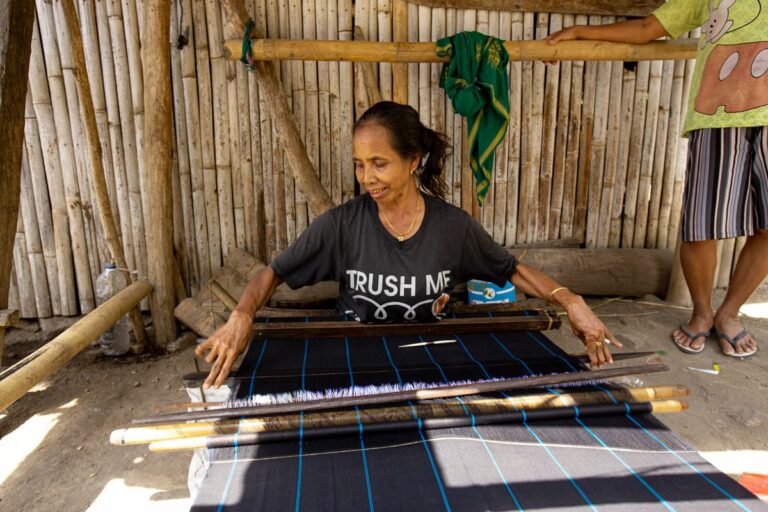
Sumbawa is not only a nature destination. The island also holds strong cultural experiences through weaving, village life, boatbuilding, harbour activity, historic sites, local food, and long-standing relationships between coast, trade, and upland communities.
Village visits and hosted local experiences
Village-based experiences work best when they are paced well, locally hosted, and treated as part of everyday life rather than a performance for visitors.
That is where good planning matters – timing, introductions, expectations, and choosing visits that fit naturally into a route.
Boatbuilding, coastal life, and working places
In parts of Sumbawa, the coast is still a place of work as much as leisure. Boatbuilding areas, fishing communities, and harbour zones can add depth to a trip when they are approached with context and the right local introductions.
Historic and cultural sites
Historic places, older settlement patterns, and local traditions can add another layer to the journey, especially for travelers who want more than scenery and activity.
Wild Sumbawa should present these experiences in a calm, grounded way, with less spectacle and more context.
Birdlife, Wildlife, and Quiet Observation
For some travelers, the appeal of Sumbawa lies in quieter forms of attention – birdlife, coastal habitats, mangroves, upland forest, early morning light, and slower observation rather than a fixed headline activity.
This kind of travel fits well with Moyo, Tambora, and parts of the Saleh Bay SAMOTA zone, where marine and terrestrial systems sit close together within the UNESCO biosphere reserve area.
Mixed-interest wildlife days
Wildlife and observation-based outings can work well for small groups with different energy levels, photographers, or travelers who want space in the itinerary between longer drives, surf days, or treks.
Adding quiet nature experiences to longer routes
These experiences are often best used as part of a broader route rather than as a standalone trip. They add texture, breathing room, and a stronger sense of the island’s ecological range.
Gentle Days and Low-Intensity Experiences
A better Sumbawa itinerary is not always the busiest one. Easy paddles, market visits, village walks, beach afternoons, scenic drives, calm lagoons, and slower half-days often improve the whole shape of the trip.
Why slower days matter
Longer island journeys need contrast. A route built only around early departures, full-day transfers, and major activities can start to feel thin, even when the places themselves are strong.
Building balance into an itinerary
Wild Sumbawa should use low-intensity days to pace a trip properly, especially for mixed-interest groups, families, longer overland journeys, or travelers combining surf, marine, and trekking sections in one route.
How Wild Sumbawa Builds Trips Around These Experiences
The strongest Sumbawa journeys usually combine several experience types in ways that match geography, season, comfort level, and available time.
A route might connect Saleh Bay whale sharks and slower marine days with a Tambora rim trek, surf time on one coast, inland village stops, or an overland crossing that reveals more of the island than a single-base stay ever could.
Because Wild Sumbawa works as a Sumbawa specialist, this page is not only here to inspire. It is here to help visitors see what fits together, what deserves more time, and how to build a trip that feels grounded in the island itself.
- Saleh Bay SAMOTA
- Whale Sharks in Saleh Bay
- How to Visit Saleh Bay Responsibly
- Regions of Sumbawa
- Sample Itineraries
- Practical Travel Information